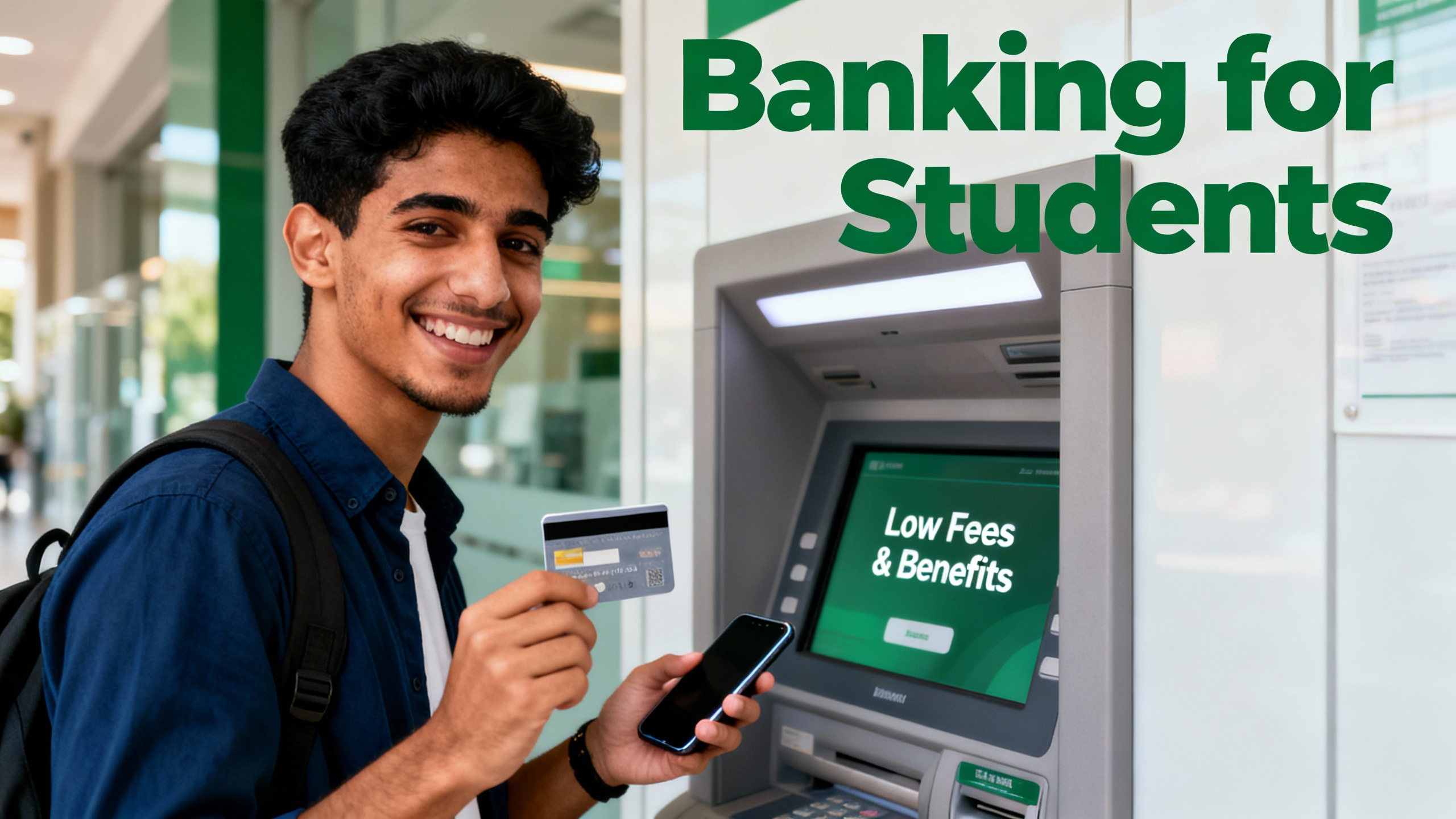
Understanding Student Bank Accounts in the USA
Navigating the American banking system represents one of the most crucial financial steps for international students arriving in the United States. The right student bank accounts USA can significantly impact the overall educational experience, providing financial stability, convenience, and important building blocks for establishing credit history in a new country. Most major US banks offer specialized accounts designed specifically for students, featuring reduced fees, lower minimum balance requirements, and additional benefits tailored to academic life. These accounts typically require proof of student status, such as a valid student ID or official enrollment documentation, along with standard identification documents including passport and visa information. The application process has become increasingly streamlined, with many banks offering online account opening options that allow international students to begin the process before even arriving on campus. Understanding the nuances of different account types, from basic checking accounts to savings options with interest benefits, helps students make informed decisions that align with their financial needs throughout their academic journey.
The selection of an appropriate banking partner involves careful consideration of multiple factors beyond just account fees and features. Geographic accessibility plays a significant role, as students should evaluate branch locations near their campus and whether the bank maintains a strong presence in their university community. Digital banking capabilities have become equally important, with robust mobile apps and online platforms enabling students to manage finances efficiently regardless of their physical location. Many banks offer specialized services for international students, including multi-currency accounts, international wire transfer capabilities, and dedicated support teams familiar with the unique challenges faced by students from abroad. The integration of banking services with campus life has also evolved, with some institutions offering exclusive partnerships that provide enhanced benefits such as campus ATM fee reimbursements, discounted banking services, and financial education workshops specifically designed for international scholars. These comprehensive offerings demonstrate how modern banking solutions have adapted to meet the specific needs of the growing international student population across American universities.
Comprehensive Banking Solutions for Student Life
The landscape of banking for students has evolved dramatically to address the unique financial needs of academic life, particularly for international scholars navigating complex cross-border financial management. Modern student banking packages extend far beyond basic checking accounts to encompass comprehensive financial ecosystems that support every aspect of the student experience. These integrated solutions typically include mobile banking applications with advanced features such as mobile check deposit, real-time transaction alerts, and budgeting tools specifically designed for student expenses. Many banks offer personalized financial dashboards that help students track spending patterns, categorize expenses, and set savings goals aligned with academic timelines. The integration of digital payment systems, including peer-to-peer transfer capabilities and compatibility with popular payment apps, ensures students can easily manage shared expenses with roommates, split costs for group projects, and receive money from family members abroad without unnecessary complications.
The most effective student banking solutions recognize that financial management represents just one component of overall student success. Many banks have developed educational resources that complement their financial products, offering workshops on topics ranging from basic budgeting to understanding credit building in the United States. These educational initiatives often include specialized content for international students, addressing particular concerns such as managing currency exchange risks, understanding tax obligations for non-residents, and planning for financial transitions after graduation. Some banking institutions have established partnerships with universities to create campus financial centers that provide in-person support and guidance tailored to the specific needs of their student populations. The evolution of student banking has also seen increased emphasis on security features, with advanced fraud protection, identity theft prevention services, and 24/7 customer support becoming standard offerings. These comprehensive banking ecosystems demonstrate how financial institutions have moved beyond traditional banking services to become true partners in supporting international students throughout their educational journeys and beyond.

Exploring Financial Services Tailored for International Scholars
International students in the United States require specialized financial services that address their unique circumstances, from cross-border money management to establishing financial credibility in a new country. The most responsive banks have developed comprehensive service packages that go beyond standard offerings to include features specifically designed for students navigating American financial systems for the first time. Multi-currency accounts represent particularly valuable tools, allowing students to hold and manage funds in both US dollars and their home currencies while minimizing exchange rate losses. International wire transfer services with reduced fees and streamlined processes help students receive financial support from family members abroad efficiently and cost-effectively. Many banks offer dedicated international student support teams staffed by multilingual representatives who understand visa regulations, cultural differences in financial practices, and the specific documentation requirements that international students must navigate.
The sophistication of financial services for international students continues to advance with technological innovations that simplify complex cross-border financial management. Digital platforms now offer real-time currency conversion calculators, automated transfer scheduling, and predictive analytics that help students optimize their international money movement strategies. Some banks provide specialized credit-building programs designed specifically for international students who lack US credit history, offering secured credit cards or small credit lines that help establish financial credentials gradually. Insurance products tailored to student needs, including health insurance compliance with university requirements and personal property protection for valuable educational equipment, have become integrated components of comprehensive financial service packages. The most forward-thinking banks have developed partnerships with immigration attorneys and international student advisors, creating referral networks that help students address broader challenges beyond pure financial management. These enhanced service offerings demonstrate how the banking industry has recognized international students as valuable long-term customers worthy of investment in specialized resources and support systems that facilitate successful educational experiences and smooth transitions to professional life after graduation.
Selecting the Right Debit Cards for Student Needs
The choice of appropriate debit cards represents a critical decision for international students, balancing convenience, security, and cost considerations throughout their academic journey. Student-focused debit cards typically offer features specifically designed for academic life, including enhanced fraud protection, widespread acceptance both on and off campus, and integration with popular payment systems used by university communities. Many banks offer contactless payment technology that aligns with the increasing prevalence of tap-to-pay systems across American retailers, campuses, and transportation networks. The security features embedded in modern student debit cards have evolved significantly, incorporating chip technology, real-time transaction monitoring, and instant mobile notifications that alert students to suspicious activity immediately. These security measures provide peace of mind for students managing finances independently, often for the first time, in an unfamiliar financial environment.
Beyond basic functionality, the most valuable student debit cards offer additional benefits that enhance the overall banking experience and provide tangible value throughout the academic year. Many cards include cashback rewards programs specifically tailored to student spending patterns, offering elevated rewards categories for purchases commonly made by students such as textbooks, school supplies, dining establishments near campuses, and technology retailers. Some banks partner with popular brands frequently used by students, providing exclusive discounts and promotional offers that extend the value proposition beyond pure banking services. The integration of debit cards with digital wallet platforms has become increasingly important, allowing students to make secure payments using their smartphones, watches, or other connected devices. Many banks offer customizable card controls through mobile applications, enabling students to set spending limits, temporarily freeze cards if misplaced, and specify merchant category restrictions according to their personal budgeting preferences. These advanced features demonstrate how debit cards have evolved from simple payment tools into comprehensive financial management instruments that support responsible spending habits and provide valuable benefits throughout the student experience.
Navigating ATM Fees and Network Accessibility
Understanding and managing ATM fees represents a crucial aspect of financial planning for international students, as these costs can accumulate significantly over the course of an academic program. The most student-friendly banks offer extensive ATM networks that include on-campus locations, partnerships with other financial institutions, and fee reimbursement programs that minimize out-of-pocket expenses for cash access. Many banks specifically catering to students provide unlimited ATM fee rebates, ensuring that students can access their funds conveniently without worrying about surcharges from machine operators. The geographic distribution of ATM networks becomes particularly important for students who may travel between campus, home stays, and various educational activities throughout their academic terms. Evaluating ATM accessibility near student housing, academic buildings, and popular off-campus locations helps students select banking partners that offer convenient cash access without excessive fees.
The evolution of ATM technology has introduced new features that benefit international students beyond simple fee structures. Many modern ATMs offer multilingual interfaces, allowing students to conduct transactions in their preferred languages while becoming comfortable with English financial terminology gradually. Advanced ATM capabilities include check deposit functionality, bill payment services, and the ability to transfer funds between accounts without visiting physical branches. Some banks have developed mobile applications that help students locate fee-free ATMs based on their current location, providing real-time guidance to the most cost-effective cash access points. The integration of ATM services with broader digital banking platforms allows students to monitor their cash usage patterns, set withdrawal limits, and receive alerts when approaching predetermined spending thresholds. These technological advancements have transformed ATMs from simple cash dispensaries into comprehensive self-service banking terminals that support international students’ financial management needs while minimizing costs and maximizing convenience throughout their educational experiences in the United States.
Comparing Major US Banks for International Student Offerings
The competitive landscape of US banking features several major institutions that have developed specialized programs specifically designed for international students, each offering unique advantages and considerations. Large national banks typically provide the most extensive branch and ATM networks, ensuring accessibility across multiple states and consistent service quality regardless of campus location. These institutions often offer robust digital banking platforms with advanced features for international money management, including streamlined wire transfer processes, multi-currency account options, and integrated tools for tracking cross-border transactions. The scale of these banking giants allows them to maintain dedicated international student support teams with extended hours that accommodate various time zones, ensuring that students can access assistance when needed regardless of their geographic origins or academic schedules.
Regional and community banks frequently compete by offering more personalized service experiences and deeper integration with specific university communities. These institutions may have stronger relationships with individual campuses, providing exclusive benefits such as campus-branded banking products, on-site banking centers within student unions, and financial literacy programs tailored to the specific needs of their partner institutions. Online-only banks have emerged as compelling alternatives for international students, offering competitive fee structures, enhanced interest rates on savings accounts, and innovative digital features that appeal to tech-savvy scholars. These digital-first institutions often provide superior mobile banking experiences with advanced security features, though they may lack physical branches for in-person assistance. Credit unions represent another option worth considering, particularly those associated with educational institutions or large employer groups that international students may qualify to join. Each banking model offers distinct advantages, and the optimal choice depends on individual student priorities regarding digital convenience, in-person support availability, fee structures, and specific financial needs throughout their academic journey in the United States.
Digital Banking Features and Mobile App Capabilities
The digital banking experience has become increasingly central to student financial management, with mobile applications serving as primary interfaces for daily banking activities. The most advanced student banking apps offer comprehensive feature sets that include mobile check deposit, real-time transaction notifications, personalized spending insights, and automated budgeting tools that help students manage limited resources effectively. These applications typically provide seamless integration with popular payment platforms, allowing students to connect their banking information with peer-to-peer payment services, online shopping accounts, and campus payment systems without compromising security. The user experience design of these apps often prioritizes simplicity and intuitive navigation, recognizing that international students may be simultaneously learning English financial terminology while managing complex financial decisions.
Security remains paramount in digital banking platforms, with advanced features designed to protect international students who may be particularly vulnerable to financial fraud schemes. Multi-factor authentication, biometric login options, and transaction verification protocols provide layered security that safeguards accounts against unauthorized access. Many banking apps include educational components that help students understand security best practices, recognize potential scam attempts, and learn how to protect their financial information in digital environments. The integration of artificial intelligence and machine learning technologies has enabled more sophisticated financial management tools, including predictive budgeting that anticipates expenses based on academic calendars, smart savings recommendations aligned with tuition payment schedules, and personalized financial advice tailored to international student circumstances. These digital capabilities demonstrate how technology has transformed student banking from simple account management into comprehensive financial wellness platforms that support international students throughout their educational journeys and help build strong financial foundations for their futures beyond academia.
Building Long-Term Financial Foundations Through Student Banking
Student banking relationships often serve as foundational elements in international students’ long-term financial journeys in the United States, extending far beyond immediate academic needs. The right banking partnership can facilitate credit history establishment, which proves crucial for post-graduation activities such as renting apartments, purchasing vehicles, or qualifying for additional educational financing. Many banks offer graduated account programs that automatically transition student accounts to standard consumer accounts after graduation, often with continued benefits and waived fees for specific periods during this transition. These continuity programs help international students maintain financial stability during the potentially stressful period following graduation when they may be seeking employment, changing visa status, or making decisions about remaining in the United States versus returning to their home countries.
The most valuable banking relationships provide ongoing support that evolves with students’ changing financial needs throughout their American experiences. Some banks offer specialized services for graduates pursuing Optional Practical Training (OPT) or other work authorization programs, including assistance with direct deposit setup, payroll processing guidance, and financial planning resources for managing increased income levels. For students transitioning to long-term US residency, banking partners can provide guidance on building credit profiles, understanding the mortgage application process, and planning for retirement savings despite potentially late starts in American retirement systems. The relationships built during student years often extend into professional networking opportunities, with some banks offering career services, professional development workshops, and introductions to potential employers within their commercial banking networks. These comprehensive support systems demonstrate how strategic banking relationships established during student years can yield benefits that extend throughout international graduates’ professional lives and financial journeys in the United States.
About the Author