Comprehensive Overview of International Scholarship Landscape
The landscape of international scholarships for students pursuing education in the United States continues to evolve and expand, offering increasingly diverse opportunities for talented individuals from around the world. The year 2026 promises significant developments in scholarship availability, with both traditional programs expanding their offerings and new initiatives emerging to address changing global educational needs. The fundamental purpose of these scholarship programs extends beyond mere financial support—they represent investments in global talent development, cultural exchange, and international relationship building. The diversity of available scholarships reflects the varied priorities of sponsoring organizations, including governments seeking to strengthen diplomatic ties, universities aiming to enhance campus diversity, private foundations supporting specific fields of study, and corporations developing future talent pipelines. Understanding this complex landscape requires recognizing that scholarship opportunities exist across multiple categories, including merit-based awards recognizing academic excellence, need-based programs supporting students from disadvantaged backgrounds, field-specific scholarships targeting particular disciplines, and demographic-focused awards supporting underrepresented groups. The application processes for these opportunities vary significantly in complexity, from straightforward online submissions to multi-stage competitions involving essays, interviews, and portfolio reviews.
The strategic importance of international scholarships has grown substantially in recent years, with educational institutions and sponsoring organizations recognizing the value that diverse international perspectives bring to academic environments. This recognition has translated into increased funding allocations, expanded eligibility criteria, and more sophisticated support systems for scholarship recipients. The competitive nature of these awards means that successful applicants must demonstrate not only academic excellence but also unique personal qualities, leadership potential, and clear alignment with scholarship objectives. The evaluation criteria employed by selection committees typically encompass academic achievement records, standardized test scores, extracurricular involvement, leadership experiences, community service contributions, and personal essays that reveal character and motivation. For international students, additional considerations often include English language proficiency, cross-cultural adaptability, and potential for contributing to campus diversity. The timing of scholarship applications requires careful planning, as deadlines vary throughout the year and often align with university admission cycles. Many prestigious scholarships operate on annual cycles with application windows opening six to twelve months before intended enrollment periods. The research process for identifying suitable scholarships has been transformed by digital resources, with comprehensive databases, university websites, and specialized platforms providing centralized access to opportunity information. However, the abundance of available information also demands critical evaluation skills to distinguish legitimate opportunities from less reputable offers. The evolving nature of international education funding means that students must remain attentive to emerging trends, including increasing emphasis on STEM fields, growing support for sustainability studies, and expanding opportunities for students from developing regions. This comprehensive understanding of the international scholarship landscape provides the foundation for strategic pursuit of educational funding opportunities that can transform academic aspirations into achievable realities.
Navigating Financial Aid Systems for International Students
International students seeking educational opportunities in the United States must develop sophisticated understanding of financial aid systems that differ significantly from those in their home countries. The American financial aid landscape encompasses a complex ecosystem of institutional funding, external scholarships, private loans, and work-study programs that collectively support educational expenses. Unlike domestic students who qualify for federal aid programs, international students typically rely on institutional aid packages, privately-funded scholarships, and sometimes alternative loan options specifically designed for non-US citizens. The financial aid offices at American universities serve as primary resources for international students, providing guidance on available funding opportunities, application procedures, and compliance requirements. These offices maintain comprehensive databases of scholarship opportunities, both internal and external, that are accessible to international applicants. The aid application process often begins with the submission of financial documentation demonstrating ability to cover educational costs, though this requirement varies significantly among institutions and scholarship programs. Many universities employ need-aware admission processes for international students, meaning that financial need may influence admission decisions, making early and transparent communication about financial circumstances particularly important.
The complexity of navigating financial aid systems requires international students to develop strategic approaches that maximize funding opportunities while managing expectations realistically. The first step involves thorough research into institutional policies regarding international student funding, as these vary dramatically among universities—some institutions offer generous merit-based scholarships to attract top international talent, while others provide limited funding specifically reserved for international students. Understanding these institutional differences helps students target their applications toward schools where financial support aligns with their needs and qualifications. The financial aid application timeline proves critical, with many opportunities requiring submission simultaneously with or shortly after admission applications. International students must gather comprehensive financial documentation, including bank statements, income verification, and sometimes sponsorship letters, well in advance of application deadlines. The role of the CSS Profile and International Student Financial Aid Application has become increasingly important for standardized financial need assessment across multiple institutions. Beyond institutional aid, international students should explore external scholarship opportunities offered by governments, private foundations, corporations, and international organizations. These external funding sources often have separate application processes and deadlines that require careful coordination with university application timelines. The emergence of dedicated financial aid consultants and online platforms specializing in international student funding has created additional resources, though students should exercise caution and verify the legitimacy of such services. Successful navigation of financial aid systems ultimately depends on early preparation, meticulous organization, persistent research, and strategic application approaches that leverage all available funding sources to make American education financially accessible for talented international students regardless of their economic backgrounds.
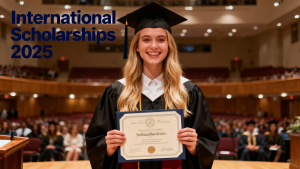
Prestigious Award Programs for Global Scholars
The most competitive and prestigious award programs for international students represent the pinnacle of academic recognition and financial support, offering life-changing opportunities for exceptional scholars from around the world. These elite programs typically provide comprehensive funding packages that cover full tuition, living expenses, travel costs, and sometimes additional stipends for research, internships, or professional development. The Fulbright Foreign Student Program stands as one of the most renowned international scholarship programs, offering opportunities for graduate study, research, and professional development in the United States to outstanding students from over 160 countries. This program emphasizes cultural exchange, mutual understanding, and leadership development, selecting candidates who demonstrate academic excellence, leadership potential, and commitment to community service. The Hubert Humphrey Fellowship Program provides another prestigious opportunity for experienced professionals from designated countries to pursue non-degree academic study and professional development in the United States. The Knight-Hennessy Scholars program at Stanford University represents one of the largest fully-endowed graduate fellowship programs globally, offering multidisciplinary opportunities for outstanding students from around the world who demonstrate leadership, independence, and civic mindset.
Beyond these government-sponsored initiatives, numerous university-specific award programs offer exceptional opportunities for international students. The Harvard University Scholarship program provides need-based financial aid to all admitted students regardless of nationality, making this Ivy League education accessible to talented international students from all economic backgrounds. The Yale International Student Scholarship program similarly meets 100% of demonstrated financial need for all admitted students, including international applicants. The University of Chicago’s Odyssey Scholarship Program offers enhanced support for international students with significant financial need, including tuition coverage, room and board, and additional funding for research and internship opportunities. The MIT Scholarship program continues its tradition of need-blind admission and full need-based financial aid for all undergraduate students, including international applicants. For graduate studies, the Rhodes Scholarship at Oxford University remains one of the most prestigious international awards, though it supports study in the United Kingdom rather than the United States. The Gates Cambridge Scholarship offers similar prestige for postgraduate study at Cambridge University. Within the United States, the Schwarzman Scholars program at Tsinghua University in China has gained significant recognition for its focus on global leadership development, though it primarily supports study in China. These prestigious award programs share common characteristics including highly competitive selection processes, comprehensive benefits packages, and strong alumni networks that provide lifelong professional advantages. The application processes for these programs typically involve multiple stages including written applications, interviews, and sometimes additional assessments or presentations. Successful candidates generally demonstrate not only exceptional academic achievement but also distinctive personal qualities, leadership experiences, and clear potential for making significant contributions to their fields and communities. The pursuit of these prestigious awards requires early preparation, strategic planning, and often guidance from mentors or advisors familiar with the specific requirements and expectations of each program.
Comprehensive Student Funding Strategies
Developing effective strategies for securing comprehensive student funding requires international students to approach the financial aspect of their American education with the same diligence and strategic thinking they apply to their academic pursuits. The most successful funding strategies involve layered approaches that combine multiple revenue streams rather than relying on single sources of support. This multi-source approach typically includes institutional scholarships from universities, external scholarships from private organizations, personal or family contributions, part-time employment opportunities, and sometimes educational loans designed specifically for international students. The foundation of any successful funding strategy begins with thorough research conducted well in advance of application deadlines—ideally twelve to eighteen months before intended enrollment. This research should identify all potential funding sources, understand their specific requirements and deadlines, and develop a comprehensive calendar that coordinates multiple application timelines. International students should prioritize institutional funding opportunities first, as these often represent the most substantial and reliable sources of support. Many universities offer merit-based scholarships that automatically consider all applicants based on academic credentials, while others require separate scholarship applications with additional essays or documentation.
The strategic selection of educational institutions plays a crucial role in funding success, as universities vary dramatically in their financial support offerings for international students. Some institutions have established generous international student scholarship programs as part of their commitment to campus diversity and global engagement, while others provide limited funding specifically for international applicants. Understanding these institutional differences helps students target their applications toward schools where their academic profiles align with institutional priorities and where financial support is more readily available. The timing of applications also impacts funding opportunities, as many scholarships have early application deadlines or limited funds that are awarded on a first-come basis. Beyond institutional support, external scholarship opportunities require dedicated effort but can significantly enhance overall funding packages. These external awards range from small one-time grants to comprehensive multi-year packages, and they come from diverse sources including home country governments, international organizations, private foundations, professional associations, and corporate sponsors. The application process for external scholarships often involves writing compelling essays, obtaining strong recommendation letters, and sometimes participating in interviews or competitions. International students should also explore part-time employment options available through their visa status, including on-campus jobs, curricular practical training, and optional practical training programs that can provide valuable income during and after their studies. For some students, educational loans specifically designed for international students may complement other funding sources, though these should be approached cautiously due to repayment obligations. The most effective funding strategies also include contingency planning for unexpected expenses or changes in financial circumstances, maintaining emergency funds, and understanding the tax implications of scholarship awards in both the United States and home countries. By developing comprehensive, multi-layered funding strategies that leverage all available resources, international students can make their American educational aspirations financially achievable while minimizing debt burdens and financial stress throughout their academic journeys.
Excellence in Merit-Based Scholarship Opportunities
Merit-based scholarships represent some of the most prestigious and sought-after funding opportunities for international students, rewarding academic excellence, leadership qualities, and exceptional talents across various domains. These scholarships recognize achievement rather than financial need, making them accessible to high-achieving students regardless of their economic backgrounds. The evaluation criteria for merit-based scholarships typically encompass academic performance measured through grade point averages, standardized test scores, class rankings, and the rigor of completed coursework. Beyond academic metrics, selection committees strongly consider leadership experiences demonstrated through extracurricular activities, community service involvement, and initiatives that show initiative, innovation, and impact. Many merit-based scholarships also value unique personal qualities, special talents in areas such as arts, athletics, or research, and demonstrated commitment to specific fields of study or social causes. The application processes for these competitive awards often involve comprehensive documentation including academic transcripts, test scores, detailed activity resumes, multiple recommendation letters, and personal essays that articulate goals, values, and potential contributions. The most selective merit scholarships frequently include interview components where candidates must articulate their achievements and aspirations directly to selection committees.
The landscape of merit-based scholarships for international students continues to expand, with universities increasingly using these awards as strategic tools to attract top global talent to their campuses. Full-tuition merit scholarships represent the most generous offerings, covering complete tuition costs for four years of undergraduate study or throughout graduate programs. These prestigious awards often carry additional benefits including research stipends, study abroad funding, mentorship programs, and access to exclusive academic and professional development opportunities. Partial merit scholarships provide significant financial support while requiring recipients to cover remaining costs through other funding sources. Many universities offer automatic merit scholarships based on academic credentials, with predetermined award levels corresponding to specific GPA and test score thresholds. Beyond institutional awards, numerous external organizations offer merit-based scholarships specifically for international students studying in the United States. These include professional associations supporting students in specific fields, cultural organizations promoting international exchange, and foundations established by successful entrepreneurs or philanthropists. The competition for merit-based scholarships remains intense, with acceptance rates often lower than admission rates at highly selective universities. Successful applicants typically demonstrate not only outstanding academic records but also distinctive personal narratives that set them apart from other high-achieving candidates. The preparation for merit scholarship applications should begin early in students’ academic careers, with conscious development of leadership experiences, pursuit of challenging coursework, engagement in meaningful extracurricular activities, and cultivation of relationships with mentors who can provide strong recommendations. The strategic selection of which merit scholarships to pursue involves careful consideration of alignment between student strengths and scholarship criteria, realistic assessment of competitiveness, and efficient allocation of application effort across multiple opportunities. By understanding the comprehensive nature of merit-based scholarship evaluation and preparing accordingly, international students can position themselves strongly for these prestigious awards that recognize and reward exceptional achievement.
Strategic Application Approaches for Maximum Success
International students pursuing scholarship opportunities must develop strategic application approaches that maximize their chances of success while efficiently managing the substantial time and effort required for competitive applications. The foundation of successful scholarship applications begins with meticulous organization and advance planning, ideally starting twelve to eighteen months before intended enrollment. This planning phase involves creating comprehensive spreadsheets or databases that track all potential scholarship opportunities, including application deadlines, required materials, selection criteria, and award amounts. The strategic selection of which scholarships to pursue represents a critical decision-making process that should consider factors such as eligibility alignment, competitiveness, potential award value, and application effort required. International students should aim for a balanced portfolio of scholarship applications that includes both highly competitive prestigious awards and less competitive opportunities with higher probability of success. The preparation of application components requires careful attention to detail and quality across all materials, as selection committees evaluate applications holistically rather than focusing on single elements. Academic transcripts should demonstrate consistent excellence and challenging course selection, while standardized test scores should meet or exceed typical ranges for successful applicants to specific programs.
The personal essay components of scholarship applications often carry significant weight in selection decisions, providing opportunities for students to distinguish themselves beyond numerical metrics. Effective scholarship essays articulate clear personal narratives, demonstrate self-awareness and reflection, connect past experiences to future goals, and show genuine alignment with scholarship values and objectives. These essays should be carefully crafted through multiple drafts, incorporating feedback from mentors, teachers, and writing advisors to ensure clarity, impact, and authenticity. Recommendation letters represent another critical application component that requires strategic preparation. Students should carefully select recommenders who know them well and can provide specific, detailed examples of their qualifications rather than general praise. Providing recommenders with comprehensive information packets including resumes, personal statements, and specific points to address helps ensure strong, supportive letters that reinforce other application elements. For scholarships involving interviews, thorough preparation is essential, including practice with common interview questions, development of concise talking points about key achievements and goals, and familiarity with the scholarship organization’s mission and values. The timing of application submission also matters strategically, with early submission demonstrating organization and enthusiasm while avoiding last-minute technical issues or missed deadlines. International students should also consider the strategic value of applying for smaller, less competitive scholarships that may be overlooked by other applicants, as these can accumulate to significant total funding. Throughout the application process, maintaining organized records of all submitted materials, confirmation receipts, and follow-up communications ensures nothing falls through the cracks. By approaching scholarship applications with strategic planning, meticulous preparation, and thoughtful execution, international students can maximize their chances of securing the financial support needed to make their American educational aspirations achievable realities.
Emerging Trends in International Education Funding
The landscape of international education funding continues to evolve rapidly, with several emerging trends significantly impacting scholarship availability, eligibility criteria, and application processes for the 2026 academic year. Understanding these trends helps international students strategically position themselves for funding opportunities that align with current priorities in global education. The increasing emphasis on STEM fields (Science, Technology, Engineering, and Mathematics) represents one of the most significant trends, with governments, corporations, and educational institutions prioritizing support for students pursuing degrees in these high-demand areas. This STEM focus reflects broader economic and technological priorities, with funding often tied to specific industries such as artificial intelligence, renewable energy, biotechnology, and cybersecurity. The growing importance of sustainability and environmental studies has created another major funding trend, with numerous scholarships specifically supporting students addressing climate change, conservation, sustainable development, and environmental justice. These opportunities often come from environmentally-focused foundations, corporate sustainability initiatives, and government programs addressing global environmental challenges. The digital transformation of education itself has influenced funding trends, with increased support for online learning, hybrid programs, and educational technology innovation, though traditional residential programs continue to receive the majority of scholarship funding.
The globalization of higher education has led to more region-specific scholarship initiatives aimed at addressing educational disparities and building capacity in developing countries. Many funding organizations now prioritize students from specific geographic regions, particularly Africa, Southeast Asia, and Latin America, with programs designed to develop future leaders who will address regional challenges. The emphasis on diversity, equity, and inclusion has significantly influenced scholarship criteria, with increased funding targeted toward underrepresented groups, including women in STEM fields, students from marginalized communities, and individuals with disabilities. This trend reflects broader social movements and institutional commitments to creating more diverse and inclusive academic environments. The COVID-19 pandemic’s lasting impact continues to shape funding priorities, with increased attention to global health, public health infrastructure, and pandemic preparedness creating new scholarship opportunities in related fields. The growing recognition of interdisciplinary approaches has led to more funding supporting students pursuing combined degrees or research that bridges traditional academic boundaries. The digitalization of application processes represents another important trend, with most scholarships now utilizing online platforms for submission, communication, and even virtual interviews. This shift has increased accessibility while also raising the importance of digital literacy and strong online presentation skills. The professionalization of scholarship advising has emerged as a significant trend, with more students seeking guidance from educational consultants, mentorship programs, and online resources dedicated to scholarship applications. Finally, the increasing competition for international scholarships has led to more sophisticated preparation among applicants, raising overall quality standards and making early, comprehensive preparation increasingly essential for success. By understanding and adapting to these evolving trends, international students can strategically align their academic and professional goals with current funding priorities, maximizing their chances of securing financial support for their American educational experiences.
Long-Term Impact of Scholarship Investments
The significance of scholarship support extends far beyond immediate financial assistance, creating long-term impacts that shape recipients’ academic trajectories, professional opportunities, and personal development throughout their lives. Scholarship investments represent transformative opportunities that often serve as catalysts for broader life changes, enabling access to educational experiences that would otherwise remain financially out of reach. The academic benefits of scholarship support include the ability to focus more completely on studies without the distraction of financial concerns, opportunities to pursue additional educational experiences such as research projects or study abroad programs, and access to mentorship relationships with faculty members who often serve as scholarship advisors or administrators. The professional advantages begin during the academic years, with scholarship recognition enhancing resumes and providing talking points for interviews and networking opportunities. Many scholarship programs include professional development components such as internships, conference attendance, or leadership training that significantly boost career readiness. The prestige associated with certain scholarships opens doors to exclusive employment opportunities, graduate school admissions, and professional networks that continue to provide value throughout recipients’ careers.
The personal development aspects of scholarship experiences often prove equally significant, fostering increased confidence, broader perspectives, and enhanced leadership capabilities. The selection process itself serves as validation of recipients’ abilities and potential, providing psychological benefits that extend beyond the financial award. The community of fellow scholarship recipients creates valuable networks of peers who share similar aspirations and values, often developing into lifelong professional relationships and personal friendships. The alumni networks associated with prestigious scholarship programs provide ongoing support, mentorship, and opportunities long after graduation. The international dimension of these scholarships adds cross-cultural components that enhance global awareness and intercultural competence, skills increasingly valued in our interconnected world. For many scholarship recipients, the experience creates a sense of obligation to give back to their communities and support future generations, often manifesting in later career choices, philanthropic activities, or mentorship roles. The financial literacy and management skills developed through navigating scholarship funding contribute to long-term financial stability and smart decision-making about future educational investments, career choices, and personal finances. The timing of scholarship support often coincides with formative developmental periods, making the experiences particularly influential in shaping values, goals, and self-concept. The ripple effects extend beyond individual recipients to impact families, communities, and sometimes entire regions, as scholarship alumni often become leaders who drive positive change in their home countries. By recognizing the comprehensive long-term impact of scholarship investments, international students can approach the application process with greater appreciation for the transformative potential of these opportunities, while scholarship providers can understand the broader significance of their investments in developing global talent and leadership for the future.
About the Author